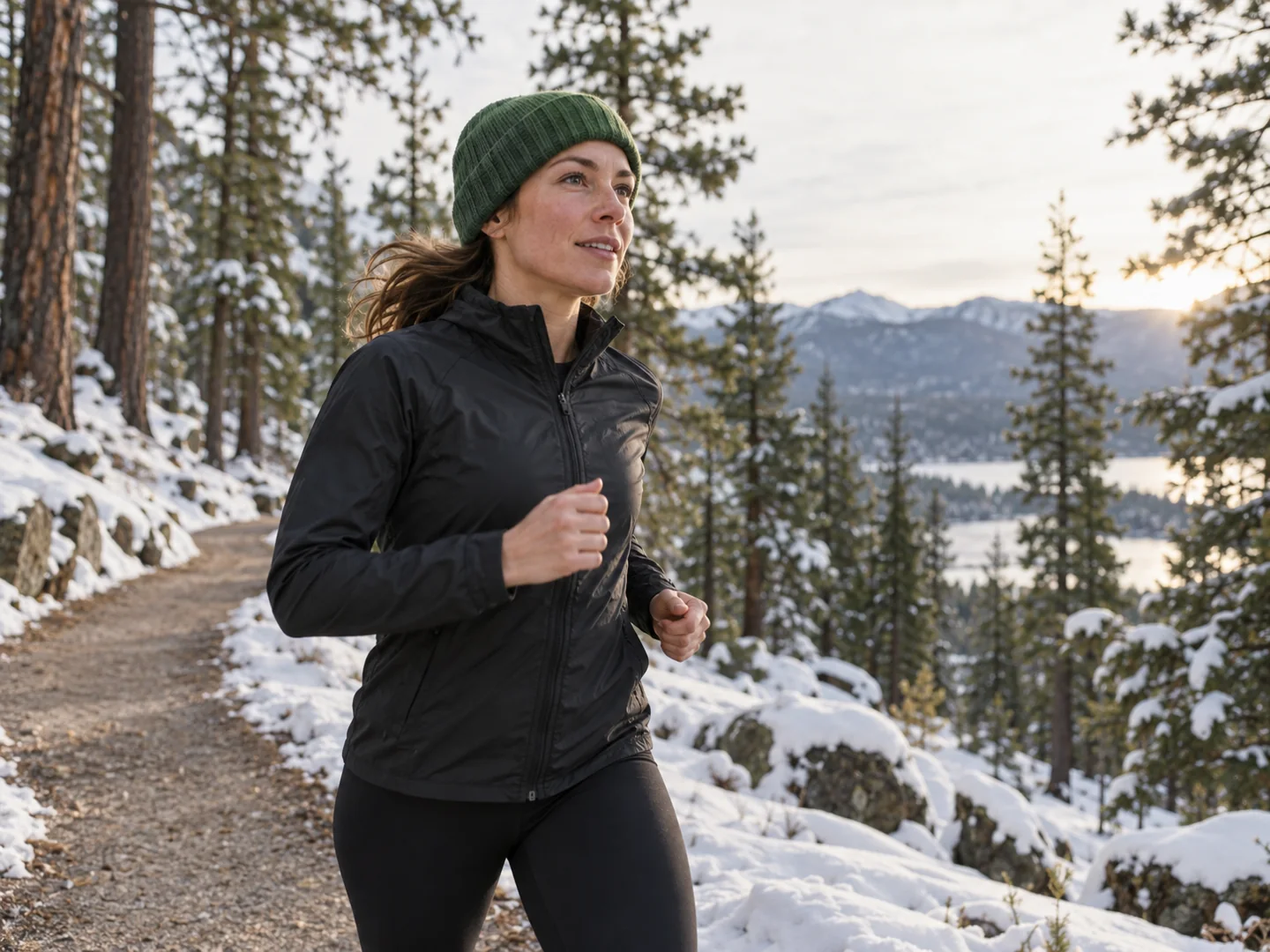
The cold is easy to dress for when you stand still. Running makes things tricky. You warm up fast, sweat, then cool off when the pace drops. A thick coat can feel great at the door and far too hot ten minutes later.
I would build a small kit around layers you can change. These three picks each do a different job. Start with the gap in your kit. You may need warm hands more than you need a new jacket.
Three pieces with a clear job
| Gear | Best use |
|---|---|
| Patagonia Capilene Midweight Crewneck | A close-fitting base for cool runs |
| Craft ADV SubZ Jacket 3 | Extra front protection on cold, windy runs |
| Smartwool Thermal Merino Glove | Soft hand coverage and use under a shell mitt |
1. Patagonia Capilene Midweight: start here
I would put the Capilene Midweight Crewneck first on the list if you need a base layer. The current men's version uses recycled polyester, has a smooth outer face, and sits close to the skin. Thumb loops help hold the sleeves in place.
That shape makes sense under a shell. Loose folds can bunch at the elbows or waist. A trim layer is easier to cover without adding bulk.
The catch is in the name: midweight. I would not make this the default for every fall jog. If you run hot or plan hard intervals, a lighter top may be enough. Check the current size chart, then raise both arms and bend forward. The shirt should stay put without pulling at your shoulders.
Best for: a flexible base. Think twice if: you overheat quickly.
2. Craft ADV SubZ Jacket 3: for wind at your chest
The Craft ADV SubZ Jacket 3 pairs a lightly insulated, wind-protective front with stretch fabric at the back and sleeves. It also has zip pockets and thumb grips.
I like that split for a cold run: protection where the wind hits, with less bulk around your arms. The full zip also gives you a quick way to shed heat.
But this is not a rain-shell recommendation. A wind-protective front does not make the whole jacket waterproof. For long, wet outings, choose protection suited to the forecast. This link goes to Craft's global product page; check local stock and delivery before you buy.
Best for: cold, breezy days. Think twice if: you mainly need rain cover.
3. Smartwool Thermal Merino Glove: a small, useful layer
The Thermal Merino Glove is a simple wool glove with touch-screen tips on the thumb and index finger. Smartwool lists the current style, SW018132, as 100% merino wool, excluding decoration.
I would choose it for soft coverage when a bulky ski glove feels like too much. It can also sit under a roomier shell mitt. Check that the two layers fit together without squeezing your fingers.
A knit glove leaves limits. Do not treat it as a waterproof or windproof shell. If the wind cuts through or the glove gets wet, change the plan or add suitable cover. A touch-screen tip is handy, but it is not a reason to stay out with cold hands.
Best for: light hand coverage. Think twice if: you need one glove for harsh weather.
Dress for the whole run
One runner's perfect layer can be another runner's sweat trap. In this winter-running discussion, a runner describes using a midweight Capilene top for many cool-weather runs. That is one person's experience with an earlier version, not a temperature rating for the current shirt.
Before you leave, ask three things. How hard will I work? How long will I be out? What happens if I have to walk home? The last question matters most when your route takes you far from shelter.
Pick a short loop for the first outing in a new kit. You can change a layer at home rather than spend the last mile wishing you had. Open a zip or remove a layer before sweat soaks your clothes. Keep dry cover handy for the walk or ride home.
Spend on the problem you actually have
If your torso feels fine but your hands hurt, start with hand cover. If the wind gets through your top, look at the outer layer. If your clothes bunch, fix the fit. Buying all three pieces at once makes it harder to learn what helped.
The same habit helps with other sports. Our golf bag guide starts with how you move around the course, because carry comfort and cart storage call for different bags.
Keep winter shoes tied to your route, too. A dry road, wet leaves, and ice are three different surfaces. If you switch to indoor court games for the season, use shoes built for side-to-side moves.
When better gear is not the answer
Check the National Weather Service cold-weather advice before heading out in severe cold. Wind and wet clothes can speed heat loss. Move indoors if conditions are unsafe, or if you cannot stay warm and dry. No item here comes with a safe minimum temperature.
In the dark, use lights and visible gear suited to the route. Small reflective trim is not a light source. On ice, a shorter route or an indoor session can be the best choice of the day.
My first buy would still be the base layer. Then I would add only what the weather and my own comfort call for. A small kit that works beats a drawer full of almost-right gear.